


FaceTec has officially launched the UR Encoder Software that will enable organizations to issue their own UR Codes, empowering them with a toolkit for printing irrefutable identity credentials.
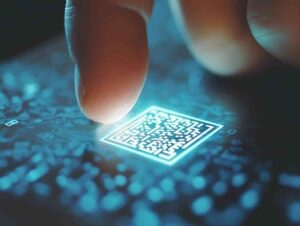
The UR Code concept, first unveiled last September, involves encoding an individual’s biometric and biographic data together into a scannable QR code. Anyone who needs to verify the identity of that person can do so simply by scanning the code and the individual’s face with their smartphone. Biometric software then matches the face to the encoded data, irrefutably confirming that the associated biographic information belongs to that individual.
The scanning process is facilitated through FaceTec’s Scan+Match mobile app for Android and iOS, launched last month, effectively putting this identity assurance technology in the hands of anyone who wants it. But the UR Encoder solution is key to empowering the organizations that wish to leverage UR Codes for identity credentialing—whether they are businesses, government agencies, or nonprofits.
The latter organizations – governments, nonprofits, and similar not-for-profits – have all the more incentive to embrace the UR Code protocol thanks to FaceTec’s offer of free perpetual licenses. And even commercial entities contracted to print UR Code credentials on their behalf can receive free perpetual licenses for the UR Encoder Software.
“The FaceTec engineers have put tremendous effort into the development of the UR Encoder Software, and we are thrilled to empower issuing authorities all over the world to begin using UR Codes to increase trust in their countries,” said Josh Rose, CTO of FaceTec.
The UR Encoder Software’s launch comes shortly after a security update that assured that UR Code cryptography is future-proofed to “at least 2035,” Rose said at the time. The update revolves around Ed25519, a public-key cryptography algorithm designed for creating digital signatures, and used in some of today’s most sophisticated and security-sensitive digital architecture, including Virtual Private Networks and the software supporting the secure messaging app Signal.
–
March 4, 2025 – by Alex Perala


