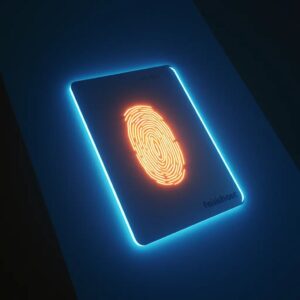
Punjab’s Safe Cities Authority has acquired 100 biometric devices designed to help identify unclaimed bodies and locate missing people across the Pakistani province.
The imported equipment will be used by the authority’s Meri Pehchan Center, an identification service that works with police, hospitals and other institutions. The authority says conventional fingerprint devices are often unable to identify deceased people, while the new machines are designed to capture prints in those cases.
Fingerprints collected from an unidentified body can be checked against available identity records, giving officials a route to establish a name and contact relatives. The devices will also support cases involving people with mental or physical disabilities who cannot provide their own identity information.
Officials said Meri Pehchan has processed more than 7,000 cases involving unclaimed bodies since the center was established. They credit the service with identifying more than 5,000 bodies and more than 4,000 people with mental or physical disabilities.
The center also handles referrals involving patients in hospitals and residents of old-age homes. Bringing additional capture devices into that network allows biometric checks to be conducted closer to the institutions and police units managing individual cases.
Postmortem identification can require different capture techniques from ordinary enrollment because the condition of a person’s fingers may prevent a standard live scanner from obtaining a usable image. Similar challenges have led other governments to develop dedicated workflows for the deceased. Nepal previously proposed using biometrics to identify unclaimed bodies and return remains to families.
Punjab has also used biometric identity checks in public-service programs involving living recipients. The provincial government recently added biometric verification to a student laptop distribution program, requiring recipients to confirm their identities before collecting devices.
The two programs apply identity technology to different operational problems. The laptop checks are intended to confirm eligibility at the point of delivery, while Meri Pehchan uses biometric matching to establish an identity when a person cannot do so directly.
The 100 new devices will be distributed through the Safe Cities Authority’s identification operations, including work with hospitals and homes for older people. The authority will use them alongside its existing case process for unclaimed bodies and missing or unidentified individuals.
Source: ProPakistani
–
By the ID Tech Editorial Team