

Denmark is set to become the first country in the world to implement a comprehensive ban on non-consensual deepfakes, following the late April 2025 unveiling of new legislation aimed at regulating AI-generated content. The proposed law would make it illegal to publish AI-manipulated media depicting real individuals without their consent, marking a significant milestone in the protection of digital identity and privacy rights.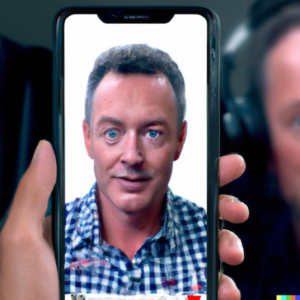
Consent, Accountability, and Limited Exceptions
Under the proposed legislation, individuals who discover a deepfake of themselves published without their permission will have the legal right to demand its removal. Technology platforms and content creators would be obligated to take down such content upon request. The law also establishes clear exemptions for satire and parody, provided that any such material is explicitly labeled as artificially generated.
“If an individual finds out that someone has made a deepfake video of them without permission, the law will ensure that the tech giants must take it down again,” said Minister for Digital Government Jakob Engel-Schmidt. The legislation aims to protect public discourse while recognizing longstanding legal principles surrounding identity misuse and impersonation.
Recent incidents underscore the urgency of Denmark’s move. Cybersecurity experts have reported a surge in AI-powered tax scams, with fraudsters using deepfake audio to impersonate individuals and intercept sensitive communications. Investigations have also revealed that bad actors are using AI to generate fake pornography targeting political figures and to create inauthentic social media accounts for coordinated disinformation campaigns.
Regulatory Challenges and Global Implications
While Denmark’s law would be the first of its kind at a national level, enforcement poses a challenge. Authorities must contend with identifying manipulated content, verifying consent status, and addressing jurisdictional issues when material is published from outside the country. Nevertheless, the proposal is seen as a pioneering model for democratic governments grappling with synthetic media and the misuse of biometric likenesses.
The legislation arrives amid broader European efforts to strengthen digital rights frameworks. The European Union’s AI Act, which took effect in 2024 and is being phased in through 2026, requires labeling of AI-generated media but stops short of a full ban. Denmark’s proposal goes further, treating a person’s digital likeness—including their face, voice, and image—as a protected element of personal identity. It builds on a June 2024 parliamentary agreement that restricted the use of deepfakes in political messaging, extending similar protections to the general public.
If passed, Denmark’s law would place the country at the forefront of international efforts to regulate synthetic media and safeguard citizens from digital impersonation and manipulation.
Sources: ZME Science, Facia, CM Alliance
—
May 2, 2025 – by Cass Kennedy



Follow Us