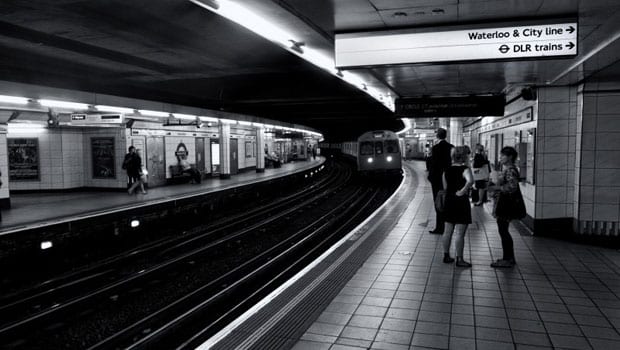
Transport for London (TfL) is considering the potential use of live facial recognition (LFR) cameras within the London Underground network as part of its broader five-year technology strategy to tackle fare evasion and enhance security. The idea, discussed by senior TfL officials during a London Assembly Transport Committee hearing, reflects an early stage of exploration.
Siwan Hayward, TfL’s Director of Security, Policing and Enforcement, indicated that LFR is one option under review for combating fare evasion and addressing more serious criminal activity. The technology would potentially involve both real-time monitoring to detect individuals as they travel through the network and retrospective analysis to examine recorded footage following incidents.
According to Hayward, facial recognition is just one component in a suite of new technologies that could help improve security and operational efficiency across London’s transport system. The discussion comes as biometric technologies become increasingly prominent in public safety strategies around the world.
In London, the Metropolitan Police has actively deployed facial recognition technology across the city. As of early July, the Met reported more than 1,035 arrests since January 2024 resulting from live facial recognition operations, which match faces against criminal watchlists. This law enforcement use has contributed to wider debates about the balance between security and civil liberties.
Globally, transit networks are exploring similar biometric initiatives. In Japan, JR East has begun a limited trial of facial recognition ticket gates at Niigata and Nagaoka stations, with the goal of evaluating the technology’s potential for future expansion. Other cities are also developing biometric systems for public transport, seeking to improve security and operational efficiency.
However, the expansion of facial recognition technology has triggered significant privacy concerns. The Biometrics Institute has called for consistent standards to govern the use of facial recognition in public spaces, highlighting the importance of clear oversight, transparency, and safeguards to protect individual privacy.
TfL officials have emphasized that any decision to deploy facial recognition technology would comply with stringent data protection laws and would be subject to extensive public consultation before implementation. Hayward noted that TfL is committed to “spending time to properly think through and garner views about the use of facial recognition,” signaling that the proposal remains in an exploratory phase rather than approaching immediate deployment.
As London considers integrating advanced surveillance technologies into its transportation systems, the debate underscores the complex balance between improving public safety and safeguarding civil liberties in a densely populated urban environment.
Source: Evening Standard
–
By Ali Nassar-Smith