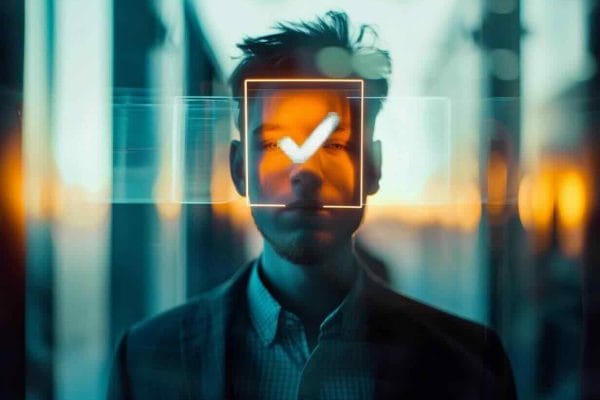
Iraq has completed a nationwide registration campaign for biometric voting cards ahead of its upcoming parliamentary elections, scheduled for November 11, 2025. The Independent High Electoral Commission (IHEC) announced the end of the registration period this past weekend, following three deadline extensions. The campaign added approximately 2.15 million new voters to the registry, bringing the total number of enrolled voters to 21.4 million, the highest figure since 2005.
Biometric Expansion Targets Election Security
The biometric system is designed to combat voter fraud and strengthen identity verification. Each voter is issued a card embedded with fingerprint templates and QR-coded data. Polling stations will use electronic tablets to verify identities through fingerprint scans, and IHEC has confirmed that facial recognition technology will also be deployed on election day.
“The commission has adopted the unified national ID system… Facial recognition technology will be employed in electoral verification devices on polling day,” IHEC spokesperson Jumana al-Ghalai told the Iraqi News Agency earlier this year. The commission has also targeted first-time voters—particularly those born in 2007—through dedicated outreach campaigns across the country.
Despite the record turnout for biometric enrollment, about 8 million eligible voters remain unregistered, according to IHEC estimates. In the Kurdistan Region, roughly one in five eligible voters missed the renewal deadline, raising concerns about regional disparities and potential boycotts.
Challenges and International Oversight
Authorities say the new system builds on lessons from past failures. In the 2024 regional elections, nearly 3,000 fingerprint scans failed, prompting criticism and demands for fallback verification methods. IHEC says it has addressed these issues with updated equipment for the 2025 vote, though it has not yet published results from internal testing.
The biometric drive is part of a broader trend in Iraq’s adoption of digital identity systems. Earlier this year, a campaign in the Kurdistan Region updated voter records for more than 260,000 individuals, according to local reports. Some sources place the figure as high as 350,000, though no official total has been confirmed.
To support the biometric infrastructure, IHEC says it is training polling staff and distributing electronic verification devices nationwide. The United Nations Assistance Mission for Iraq (UNAMI) has confirmed that it will deploy qualified observers to monitor the election process.
–
By Ali Nassar-Smith