

A recent deadly shooting outside Washington D.C.’s Capital Jewish Museum has prompted renewed calls for advanced surveillance tools, as law enforcement continues to investigate the killing of two Israeli embassy staffers in what authorities are treating as a possible hate crime or act of terrorism.

The victims, Sarah Lynn Milgrim and Yaron Lischinsky, were leaving a private event hosted by the American Jewish Committee when they were shot by a man reportedly shouting pro-Palestinian and antisemitic slogans. The suspect, Elias Rodriguez, was arrested minutes later inside the museum. Federal charges filed against him include first-degree murder and murder of foreign officials.
Calls for Preventative Technologies
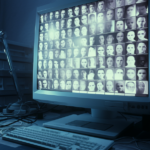
In the wake of the tragedy, Israeli surveillance technology firm Corsight AI has called for broader deployment of AI-powered monitoring systems designed to help detect early indicators of violent intent. The company supplies facial intelligence technology to law enforcement agencies and public safety networks globally.
“Unlike professional criminals, individuals involved in hate crimes tend to act less strategically, so video evidence that could alert and help prevent them often already exists,” said Shay Poleg, Corsight’s North America sales director. “It’s not uncommon for the same individual to be seen at multiple violent protests tied to extremist groups. This and other patterns can and should be flagged in real time, helping prevent such terrible results.”
Poleg noted that similar systems are already in use in other parts of the world, enabling authorities to respond proactively. “This isn’t hypothetical. It’s already being done,” he said.
Balancing Security and Civil Liberties
While proponents argue that facial recognition and behavioral analytics can help preempt acts of violence, such technologies have also faced criticism from privacy and civil liberties advocates. Concerns center on potential misuse, lack of transparency, and the risk of profiling, particularly when deployed in public spaces or during constitutionally protected activities like protests.
Policymakers continue to debate the appropriate boundaries for such tools, especially as incidents of targeted violence, including antisemitic attacks, appear to be rising. The FBI and Metropolitan Police Department are still reviewing evidence in the Capital Jewish Museum case, including surveillance footage from the surrounding area.
Source: NBC News
–
May 23, 2025 – by Ali Nassar-Smith





Follow Us